
Menlo Park City Directory Shelf Map
Menlo Park's historical directory shelf is a set of regional and local runs held by different repositories. The clearest confirmed trail is the National Archives listing for a Palo Alto run that includes Menlo Park and a Menlo Park run reported for the San José Public Library California Room. A 1922 multi-city title is cited in a cultural-resource study, but its publisher and holding place remain unestablished. The table separates verified coverage from leads that still need volume-level confirmation.
| Collection | Years | Where Held | Access |
|---|---|---|---|
| Palo Alto regional directories, including Menlo Park | 1929-1931 | National Archives city-directory listing and facility holdings | Cataloged under Palo Alto; verify microfilm access |
| Menlo Park city directories | 1978-1980 | San José Public Library California Room | In person; verify missing volumes and publisher |
| San Carlos, Redwood City, Menlo Park, Atherton, Woodside, Portola regional directory | 1922 | Holding location not established; cited in a cultural-resource study | Publisher and access need confirmation |
| R. L. Polk regional volumes used in local building research | Various | Merrill History Room and Peninsula repositories | Exact Menlo Park run is a research gap |
| The Almanac, bound Menlo Park-oriented run | 1970s-1980s | MPHA Merrill History Room | In person |
| The Gate Post | 1975-present | Menlo Park Historical Association archive | Online and through the archive |
Do not turn a missing row into an invented run. The 1978-80 location is real, but its publisher was not located. The 1922 title proves regional coverage, not a complete copy at a named library. Polk volumes appear in local building research, while the exact sequence remains open. Call before traveling.
Menlo Park Library page is the local catalog and reference starting point.
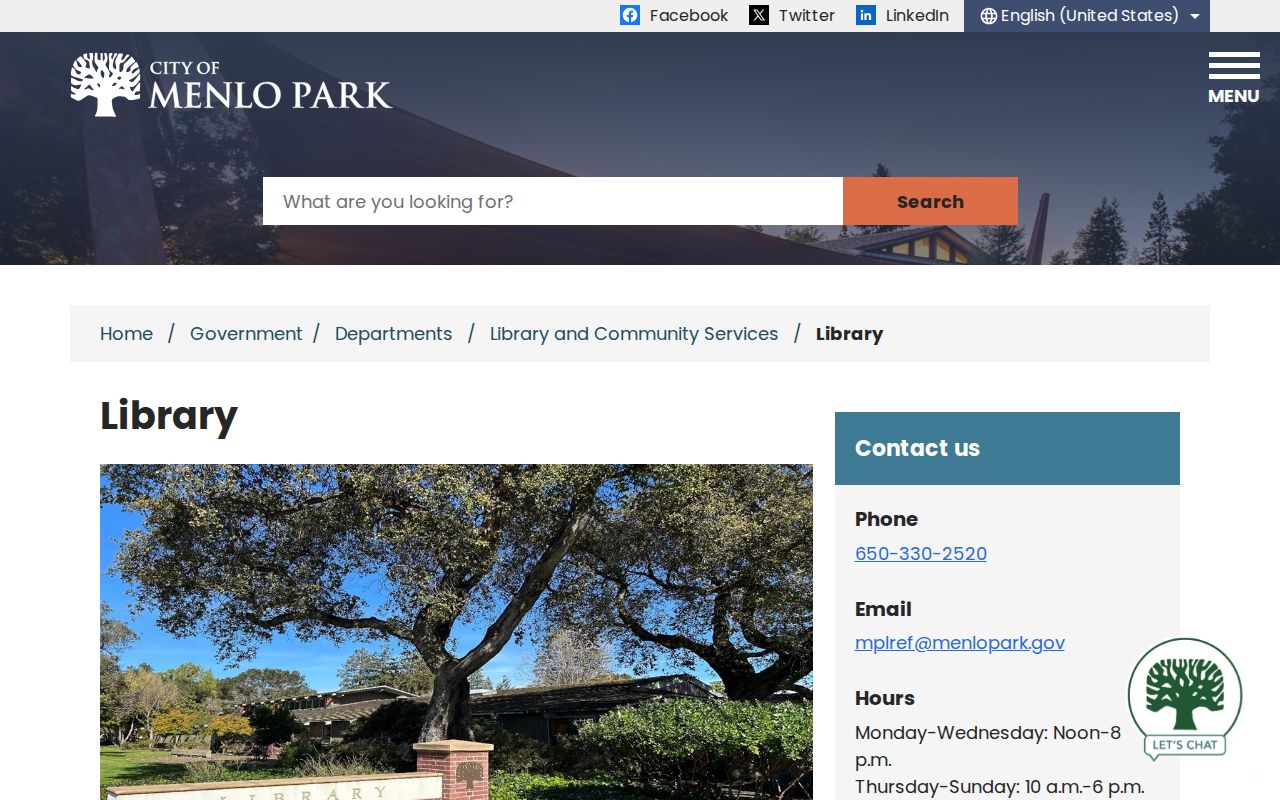
The local and outside shelves fill gaps the catalog may not show.
Menlo Park Palo Alto Directories
A title's place name is not always its full geographic scope. The National Archives listing identifies a 1929-31 Palo Alto directory run including North Palo Alto, East Palo Alto, Ravenswood, Stanford University, and Menlo Park. The publisher is not stated. The catalog heading is therefore a clue, not a reason to discard the volume. Searching only “Menlo Park city directory” could miss a usable household entry.
The 1922 regional title makes the same point. It names San Carlos, Redwood City, Menlo Park, Atherton, Woodside, and Portola, but its holding location and exact publisher were not established. Search subject headings, title geography, and nearby cities. Confirm whether Menlo Park is a section, index heading, or place in a broader Peninsula sequence.
National Archives city-directory list confirms the Palo Alto geography.
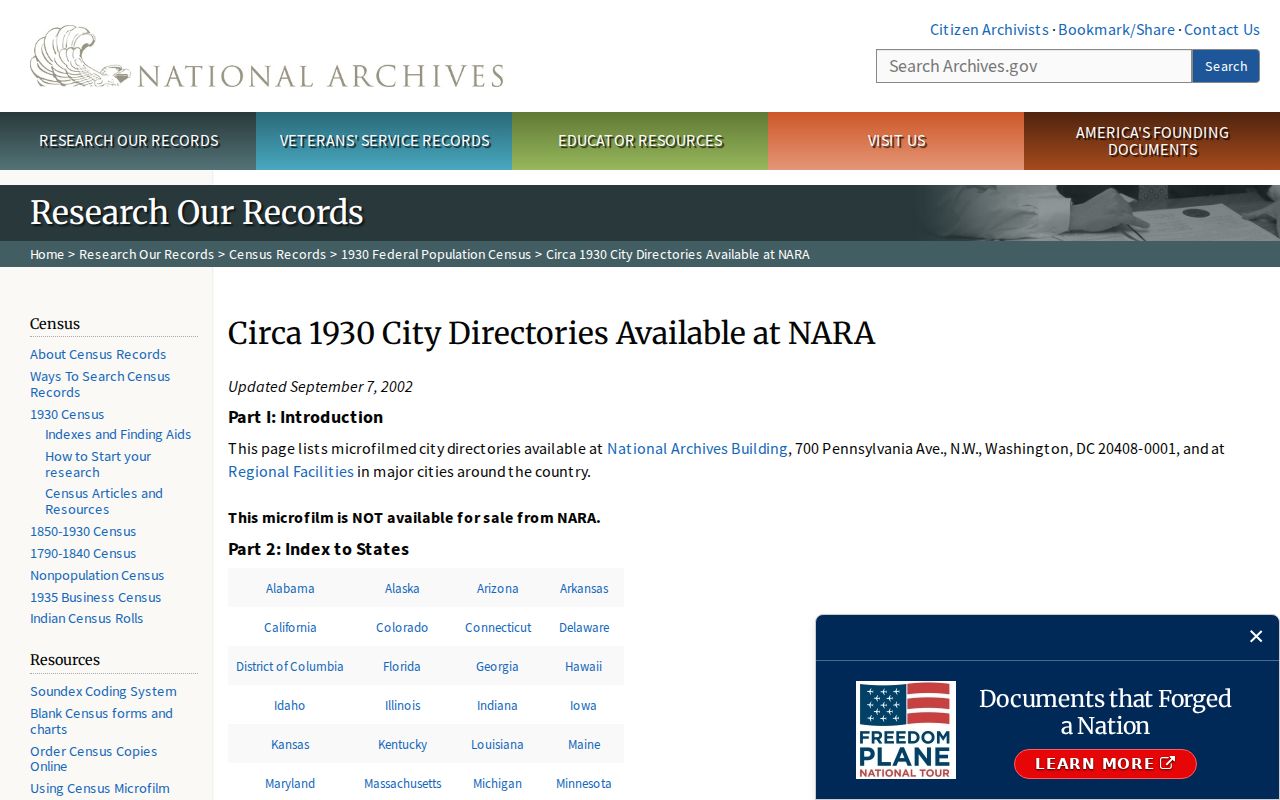
Inspect catalog geography before discarding a regional title.
Menlo Park History Room Directory Research
MPHA, founded in 1971, operates from the Merrill History Room at Menlo Park Library, 800 Alma Street. Its archive brings together records, objects, images, and accounts about Menlo Park and nearby places. It includes thousands of indexed vintage photographs, exhibits, a subject index, oral histories, walking tours, and The Gate Post from 1975. These can supply a name, place, club, event, or address clue when a volume skips a year.
Access is not uniform. Some oral-history tapes or transcripts are in-room only, so online search cannot replace a reference visit. Ask staff to check a person, street, institution, or subject. The bound The Almanac run from the 1970s and 1980s adds local news and household context.
MPHA archive page is the access point for indexed local-history collections and oral histories.
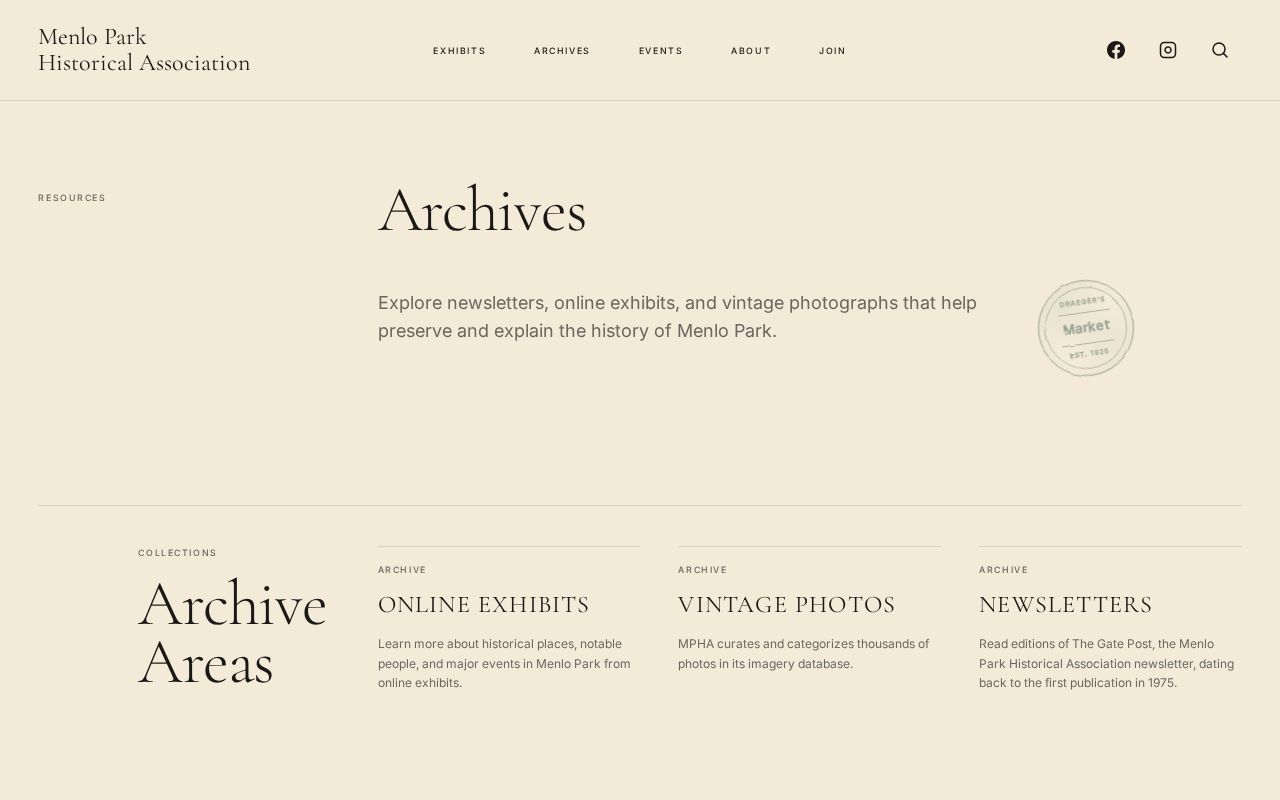
Use them as corroboration, not a substitute for a dated entry or official record.
Reading a Menlo Park Directory Entry
No openly viewable local sample page was located, so no sample name should be invented. Transcribe an actual page from the 1929-31 Palo Alto or 1978-80 Menlo Park run field by field. Preserve initials and spelling, and use that volume's own marks rather than symbols from another publisher.
| Surname and given name | Copy the printed surname, given name, and initials; test spelling variants only after the first pass. |
|---|---|
| Spouse or household note | Record a spouse notation or other household wording exactly as printed. |
| Occupation or employer | Capture the occupation and any employer or business affiliation shown. |
| Home or business address | Separate a residence from a business address and preserve the street number and name. |
| Owner or renter mark | Use a homeowner or renter symbol only when that volume supplies one; do not infer tenure. |
| Widow or removal notation | Note a widow, removal, or similar status clue, but verify the volume's abbreviation key first. |
- Criss-cross directory
- An address-first section arranged by street and number. It may show nearby households, but not every alphabetical volume includes one.
- Householder index
- An alphabetical entry point for people treated as household heads or listed residents. It is not proof that every person in the home appears.
- Abbreviation key
- The volume's legend for short occupation, residence, boarding, widow, or removal marks. Check it before expanding any initials or symbols.
An entry is a dated snapshot. Its street, occupation, or spouse notation can distinguish people with the same name, but a second source is still needed for an identity match.
Reverse Menlo Park Directories by Address
A reverse or criss-cross directory changes the search direction. Start with a street number, read nearby entries, and compare names with the alphabetical section. The method can reveal neighbors or a different street spelling, but exact Menlo Park reverse-directory years are not established. Check the 1978-80 San José Public Library California Room run volume by volume.
Internet Archive subject search is a route to digitized scans. Verify title, date, geography, and completeness.
A reverse section can support house history, but absence is inconclusive.
Menlo Park Directory Census Pairing
Pair a directory with the nearest federal census instead of treating either source as complete. The 1929-31 regional run lines up with the 1930 census. The 1950 census is the latest fully released identifiable federal schedule under the 72-year release rule. Census schedules can add household relationships, ages, occupations, and enumeration geography; a directory can add a street address, business listing, spouse notation, or a year between census snapshots.
Compare sources at the level of facts. An address may differ because of a move, boundary, convention, or missed update. Disappearance can mean a move, omission, name change, or missing volume. Absence is not proof of death; use obituaries, probate, photos, or oral histories as separate checks.
Menlo Park Directory Boundary Headings
Place names changed around the same families. Atherton incorporated in 1923, Menlo Park in 1927, and Belle Haven joined Menlo Park in 1961. A directory heading or custodian can change even when a household stayed in the same area. Compare date and geography before concluding that a person moved.
| 1922 | A regional title cites San Carlos, Redwood City, Menlo Park, Atherton, Woodside, and Portola; publisher and holding location remain unverified. |
|---|---|
| 1923 | Atherton incorporated, creating a jurisdictional date to test against directory headings. |
| 1927 | Menlo Park incorporated, changing the municipal frame used by later records. |
| 1929-31 | The NARA Palo Alto cataloged run explicitly includes Menlo Park and adjacent communities. |
| 1961 | Belle Haven joined Menlo Park, which can move a search between place headings. |
| 1978-80 | A Menlo Park run is reported at the San José Public Library California Room; publisher remains unverified. |
San Mateo County Historical Association collections add county context around a Menlo Park city directory entry.
Use county history for context, while noting the publisher or holding gap.
Menlo Park Directory Photos and News
Local-history sources can turn a directory line into a dated story. MPHA photos indexed by person, place, or subject may connect a name to a storefront, club, school, or neighborhood. The Gate Post, bound The Almanac, and oral histories can supply context a directory lacks. Treat each lead as a pointer, not a substitute for the original record.
Stanford University Archives holds university records, organizations, photographs, maps, manuscripts, and regional collections useful for Stanford-affiliated residents and nearby institutions. Access rules and copyright apply. San Mateo County Historical Association adds county context, while Menlo Park Library reference staff can connect the catalogs.
Camp Fremont shows why ordinary household directories miss some population movement. During World War I, a place of fewer than 2,000 temporarily held as many as 40,000 people, leaving military, newspaper, and business traces outside a normal resident volume.
The library's own moves help explain dispersed finding aids: Central School in 1916, Kuck Hotel in 1926, City Hall in 1930, the British Banker's Club building, a Menlo Avenue bungalow in 1948, and a purpose-built library in 1957. It became an independent municipal library in 1964; Belle Haven opened in 1999 and moved to 100 Terminal Avenue in May 2024.
Menlo Park Directories for Family History
A household trace works best when each entry answers a narrow question and points to the next date. Start with a known census, deed, permit, obituary, or family event:
- Choose the nearest year and search the surname alphabetically, preserving initials, spelling, and any Palo Alto regional title.
- Capture spouse, occupation, home and business addresses, owner or renter mark, widow notation, and the abbreviation key.
- Move through available volumes. Mark first and last appearance, address or occupation changes, and names at the same address.
- Use the criss-cross section when present. Read nearby numbers, then compare those names with alphabetical entries.
- Pair 1929-31 with the 1930 census and use 1950 for the latest fully released federal comparison. A missing year is a gap, not a conclusion.
- Check MPHA photos, The Gate Post, The Almanac, oral histories, deeds, permits, probate, or an obituary for an independent time marker.
Keep an evidence log with the title, year, repository, page or image reference, and the fact each source supports. A directory can suggest a move, but a deed follows ownership rather than every occupant. A permit can date work without proving who lived there. State what remains unknown.
Menlo Park Directory Gaps and Checks
Several gaps are useful findings. The research did not verify the 1922 publisher or holding location, the 1978-80 publisher, the complete Polk sequence, or exact reverse-directory years. Obituary-index coverage, newspaper microfilm years, church registers, and Menlo Park Sanborn years are also unverified. No public NARA sample page was located, so inspect punctuation and symbols rather than guessing.
Use every documented access channel. Call Menlo Park Library, 800 Alma Street, 650-330-2520, and ask reference staff to search by title and subject. Belle Haven Library is at 100 Terminal Avenue, 650-330-2540. Visit the Merrill History Room for MPHA materials, noting that some oral histories are in-room only. Verify San José Public Library California Room volumes before traveling. Use NARA, Stanford Archives, San Mateo County Historical Association, and Internet Archive as separate routes.
- Ask for “Menlo Park city directory,” “Palo Alto city directory,” “San Mateo County directory,” “telephone directory,” and “criss-cross directory” as separate catalog searches.
- Write down the repository, title, year, volume number, access condition, and any gap before copying an entry.
- Request a page or scan from the custodian when the catalog confirms a run but the image is not openly viewable.
- Record an unresolved year as a research gap instead of filling it with a nearby publisher or an assumed continuous run.
That discipline keeps a Menlo Park city directory trail useful for genealogy and local history while leaving clear next steps.