
How Menlo Park Neighbors Appear in Records
Looking up neighbors in Menlo Park works best as a source-matching exercise. The parcel layer locates legal pieces; county maps explain lot relationships. The assessment roll can identify assessed ownership through the lawful county channel, but the inspected public web layer does not expose owner or owner-mailing fields. RecorderWorks adds named grantors and grantees after a deed trail. Accela can show people tied to permit activity. None is a complete list of people at an address.
| Source | What It Shows About a Block | Access |
|---|---|---|
| Menlo Park GIS | Adjacent parcel shapes, APNs, situs addresses, city status, geometry, and land context | Free map and REST query; 2,000-record maximum |
| County assessor maps | Assessor maps, recorded maps, subdivision, lot, block, volume, and page relationships | Free downloads; official prints at the Recorder counter |
| ACRE assessment roll | Assessed owner, values, exemptions, and a mailing destination through the lawful roll channel | County channel; public web owner search is constrained |
| RecorderWorks | Recorded-party names, instrument type, dates, document numbers, and deed-chain clues | Free, no-login index; no images; copies follow current fees |
| Accela permits | Address-based work, applicants, contractors, contacts, status, and project dates | Anonymous reference search; an account is needed for applications |
| My Election Info | Your own registration status, precinct, districts, and election details | Self-lookup or approved full-file request |
| Neighborhood Watch | Block-group formation steps and a private resident contact tree | Police contact; member rosters are not published |
Read the table as limits. A deed party is not automatically a current neighbor, and a permit contact is not automatically a resident. A matching situs and mailing address still does not establish household membership. Label each result as ownership, project participation, geography, or self-verification. That keeps a block lookup useful without turning it into a roster.
Insider Tip: Map Menlo Park Neighbors
To map a block, begin with one physical address. Menlo Park's parcel service supports identify and query behavior, so the work is a sequence of selections rather than a name search. Confirm city limits before choosing a permit custodian. A Menlo Park mailing label can describe West Menlo Park, Menlo Oaks, North Fair Oaks, or other unincorporated county territory.
- Locate the subject. Open the city GIS Map Viewer, find the address, and record the boundary, APN, situs, and jurisdiction.
- Walk outward. Select the subject polygon, then click each polygon sharing a boundary. Add across-street parcels only when the definition includes both sides.
- Confirm the pattern. Compare APNs with county maps. Note subdivision, lot, block, volume, and page, not just visual distance.
- Follow the trail. Carry the APN and legal description into the deed index. For a whole street, use the Menlo Park street directory workflow.
The parcel service supports geometry, pagination, statistics, and distance queries, but its maximum is 2,000 records. Keep the selection below that ceiling. Across-street parcels are a scope choice. APN and legal description usually survive address-label changes better than street spelling.
Menlo Park Neighbor Parcel Context
After the shapes are clear, read the legal pattern and parcel context. The city layer can return APN, map book and page, subdivision, lot, block, sublot, legal description, zoning, land use, lot area, year built, buildings, units, stories, historic, flood, seismic, census, coordinate, and service-district fields. County maps add recorded parcel or subdivision volume and page. These fields distinguish a shared tract from separate lots, but do not prove who is connected to one another.
Myth check. A public parcel map is not a public owner directory. The inspected Menlo Park layer has geometry and parcel context, but no owner or owner-mailing fields. Use ACRE's lawful assessment-roll channel or a focused request for ownership questions.
Situs means the physical address. Mailing means where notices go. Legal description means the deed or map identity. Keep subdivision, lot, block, map volume, page, and vesting document with those labels. A map is not a survey or title opinion, and neither portal is a census of a block.
Menlo Park Neighbor Address Activity
Permit history adds a different layer. Menlo Park's Accela system has a public Search Applications route, while applications, corrections, revisions, and uploads require an account. General Search can use record number, type, project name, dates, street number, direction, street name, street type, unit, parcel number, names, business name, or license number. Start with street number plus street name or an APN, then narrow by dates.
- Record number and record type identify the municipal file.
- Street number, direction, street name, street type, and unit refine the address.
- Parcel number avoids spelling problems in the street field.
- Project name, dates, participant names, business name, and license number narrow the file.
An entry may identify an owner-builder, contractor, architect or engineer, project contact, scope, valuation, status, dates, and attachments. It describes people tied to a project, not every person at the address. Older Tidemark records may have migrated, and copies or house plans may need the Building Division or a targeted request. Permits date visible change; they do not identify a household.
Menlo Park Voter Lookup Is Personal
The county's My Election Info tool is deliberately personal. It asks for your house number only, five-digit ZIP code, and birth date. A match can return status, party, precinct, districts, selected-election information, and delivery preference. Changing delivery preferences adds driver-license information, the last four Social Security digits, and email. There is no ordinary public voter block list.
California voter-file rules allow disclosure for permitted election, scholarly, journalistic, political, or governmental purposes. Elections Code section 2194 bars personal, private, or commercial use and harassment. A specific-voter request must identify a named voter, not everyone on one street. An approved full file may be sorted geographically only for the authorized purpose; sensitive identifiers, signatures, and ballot choices remain excluded.
Menlo Park Neighborhood Names
Official neighborhood labels add orientation without becoming a people list. Menlo Park materials name Allied Arts/Stanford Park, Bayfront, Belle Haven, Central Menlo Park, Downtown, El Camino Real Corridor, Felton Gables, Linfield Oaks, Park Forest/Spruce/San Antonio, Sharon Heights, South of Seminary/Vintage Oaks, Suburban Park/Lorelei Manor/Flood Triangle, The Willows, VA Medical District, West Menlo Park, and unincorporated Menlo Park. Police materials also use Menlo Business Park, Bohannon Industrial Park, Seminary Oaks, Menlo Oaks, O'Connor Tract, Civic Center, Menlo Square, Creek, Fremont/Hillview Tracts, Sand Hill Road corridor, and Stanford Hills. These are labels, not boundaries.
Neighborhood Watch
Start with Menlo Park Police at 650-330-6300. Formation calls for police contact, an informational meeting, a resident phone or email tree, and dispatcher training.
Official police formation information is available online.
Official area labels
City survey and police materials supply names for orientation. No current citywide HOA or association member inventory was verified. Organization contacts are not member directories.
Use the label with the parcel and jurisdiction.
The Menlo Park Police Neighborhood Watch page is the official starting point for forming a block group.
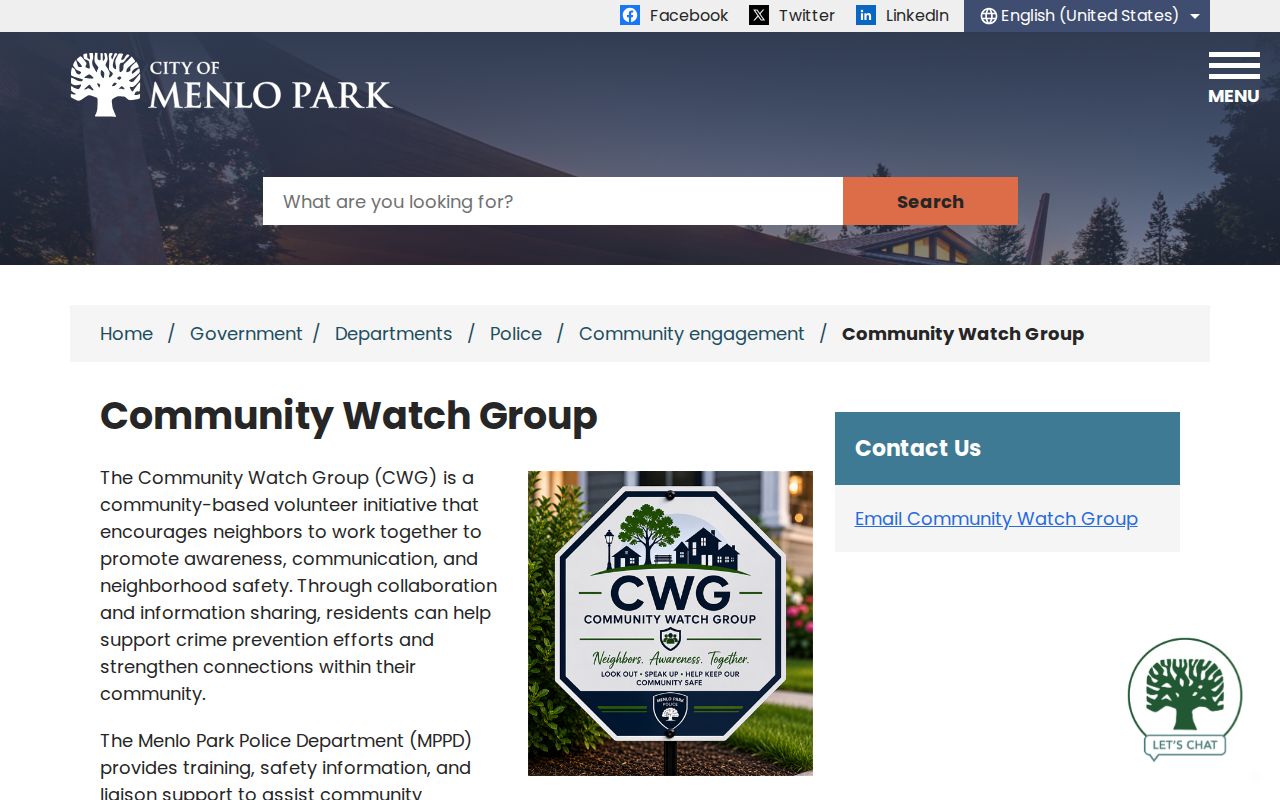
The group’s phone or email tree is privately maintained. It helps neighbors share alerts without creating a city-held roster, and it does not make every nearby household a member.
Menlo Park Neighbor Police Logs
Police activity records answer event questions, not neighbor questions. Menlo Park publishes screened daily logs that may show incident type, general location, and names of arrested persons. They omit routine calls and may withhold juveniles, crime victims, certain suspects, exact addresses, domestic-violence details, and investigative facts. Menlo Park neighbors can use a daily log to corroborate a public incident near a block, but it cannot establish a full list of residents or every call for service.
The Menlo Park Police daily-log page is the correct source for the city’s published activity record.
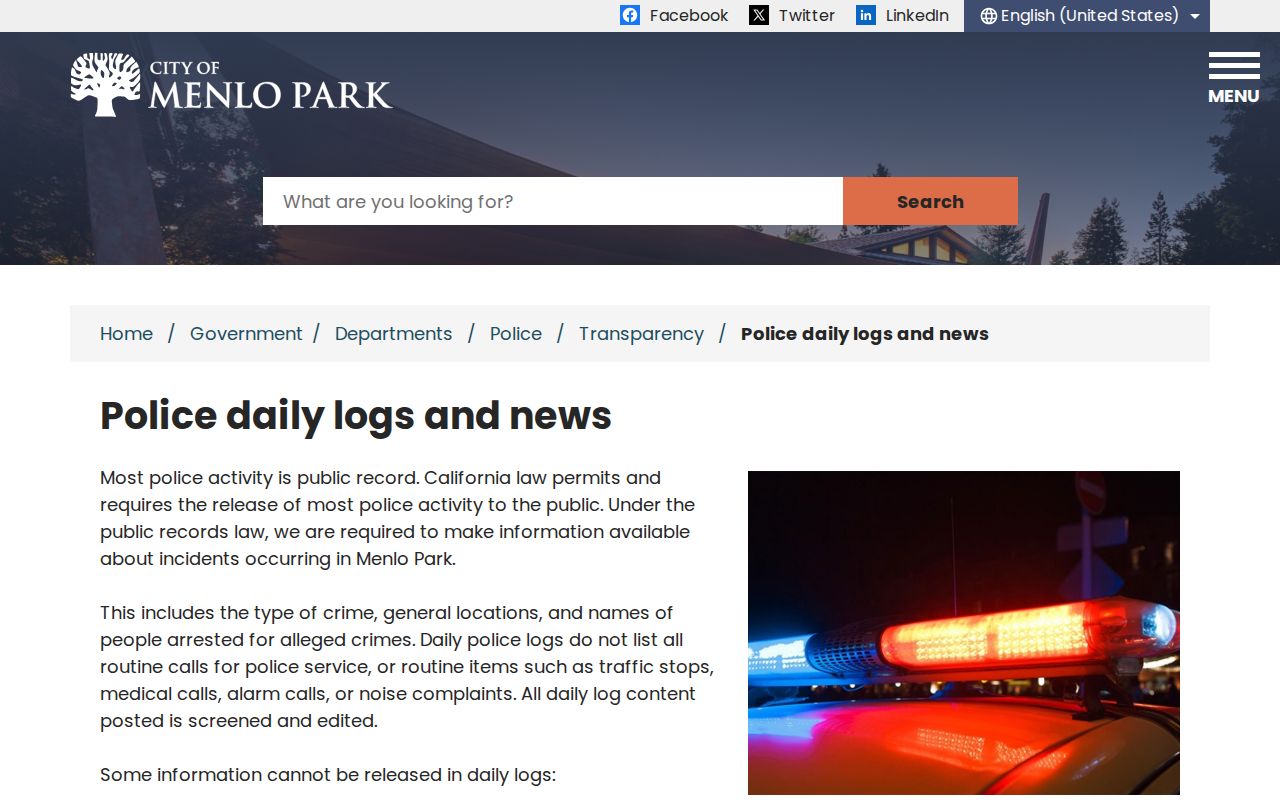
For a report copy, use the city records channel or police counter. Requester and incident rules control access. Public activity is evidence about an event, not proof that a person lived there.
Menlo Park Records Requests
When the parcel, permit, or police view leaves a gap, use an existing-record request. The City Clerk’s page routes requests through GovQA/MyCustHelp. Name the department, record type, address or person, and narrow date interval. Ask for existing records, not an answer. Requests are free to submit; duplication costs or special statutory fees can apply, while ordinary search and review time is not charged under the California Public Records Act.
The Menlo Park public-records request page is the city’s stable entry point for that channel.
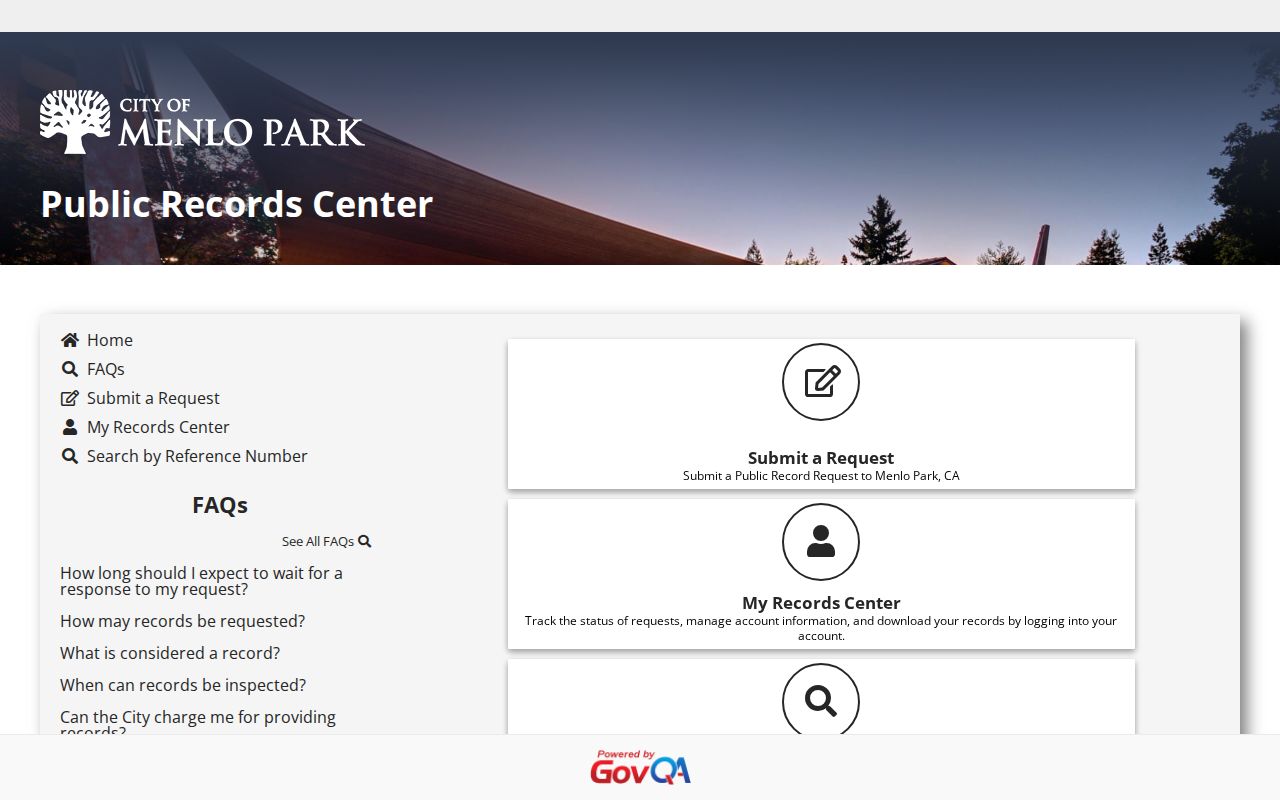
This route is strongest for permit attachments, closed code files, development-notice records, or a police report when requester rules allow. It does not turn a private membership roster, utility list, or protected address into a public block directory.
Official Menlo Park Record Sources
Official Menlo Park neighbor research and commercial neighbor-lookup categories are different products. Official sources have a custodian, defined fields, and access rules. Commercial categories may merge datasets, lag moves, join names incorrectly, or hide how a result was assembled. Treat them as leads to verify, never as proof.
| Category | Useful For | Boundary |
|---|---|---|
| Official GIS and recorded maps | Parcel shape, APN, situs, lot and map relationships | No household roster; maps are not surveys |
| Assessment and Recorder records | Assessed ownership, mailing route, titled parties, deed sequence | Party or owner evidence does not prove who is present |
| Accela, police, and CPRA files | Project activity, public events, and existing city records | Redactions, requester rules, and record gaps apply |
| Neighborhood Watch and labels | Block organization and geographic orientation | Private contact trees and member lists are not published |
| Commercial neighbor tools | Possible leads assembled from multiple datasets | Source, freshness, matching, and lawful-use limits may be unclear |
Privacy Boundaries for Menlo Park Neighbors
Menlo Park block research has hard edges. Adjacent ownership does not reveal people who are not on the title, minors, family members, guests, utility customers, delivery recipients, or protected voters. An owner-mailing address may point to a trust or another notice destination. California’s Safe at Home program can provide a substitute address, and existing public records are not automatically erased. DMV and voter information have separate access rules.
The California Attorney General’s public-records guidance helps separate records presumed open from exceptions and protected information.
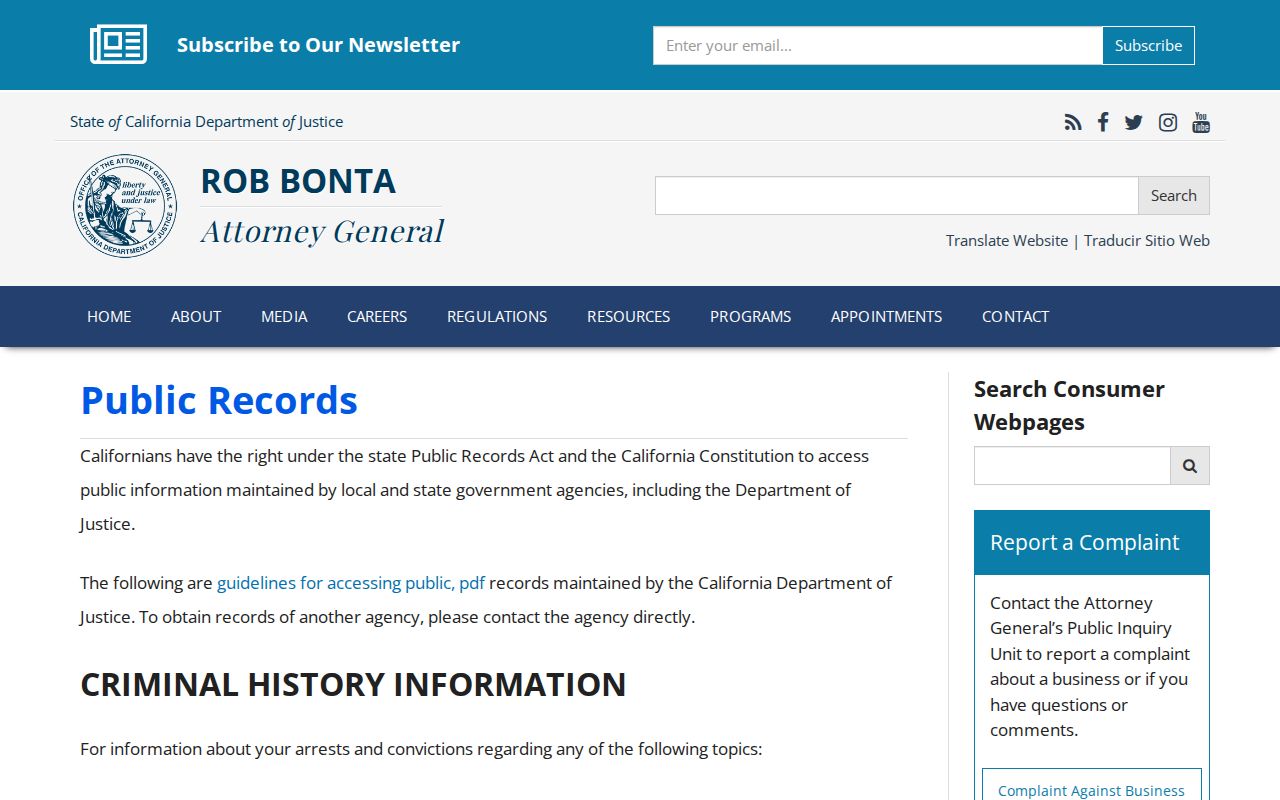
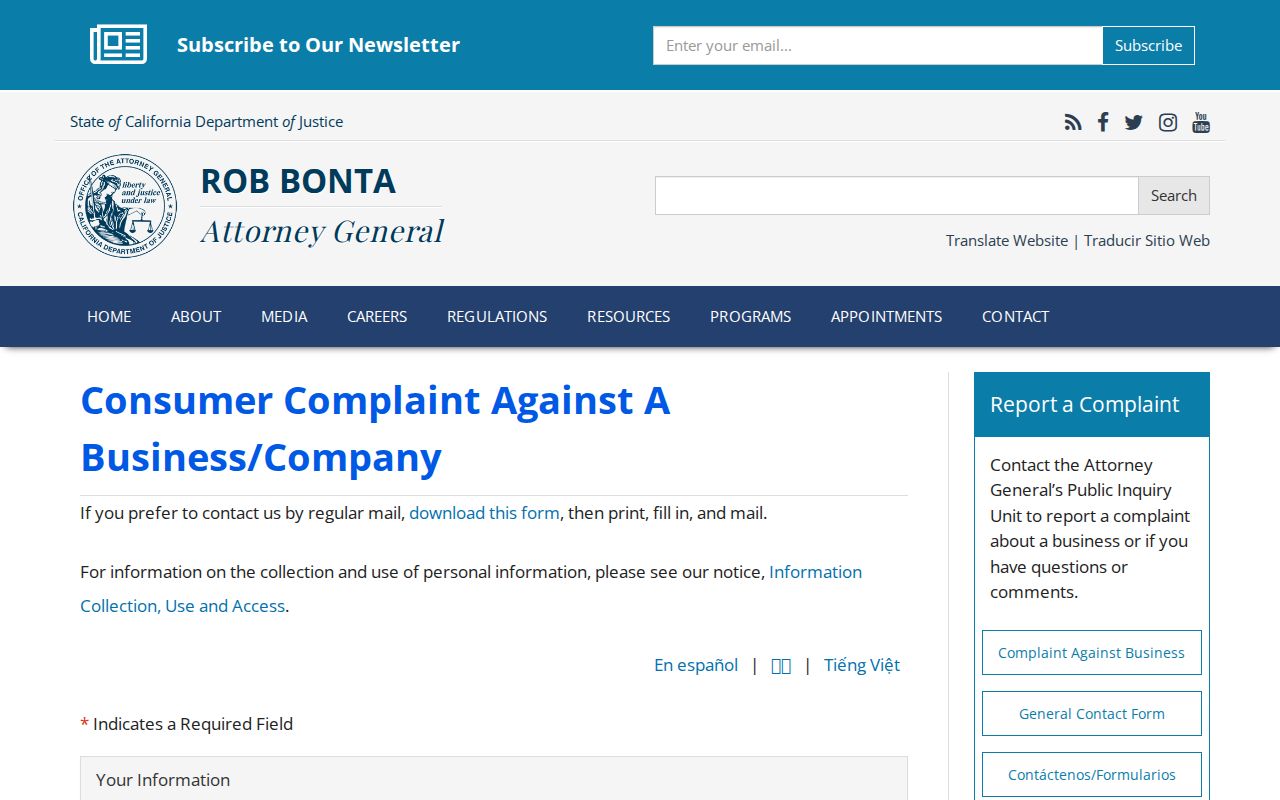
For a suspected deceptive records seller or privacy problem, use the California Attorney General consumer complaint route and preserve the notice, URL, or payment request.
Impersonation, payment demands, or fraud tied to a directory search can also be reported through the FTC fraud reporting portal. For immediate local safety concerns, contact Menlo Park Police at 650-330-6300 or call 911.
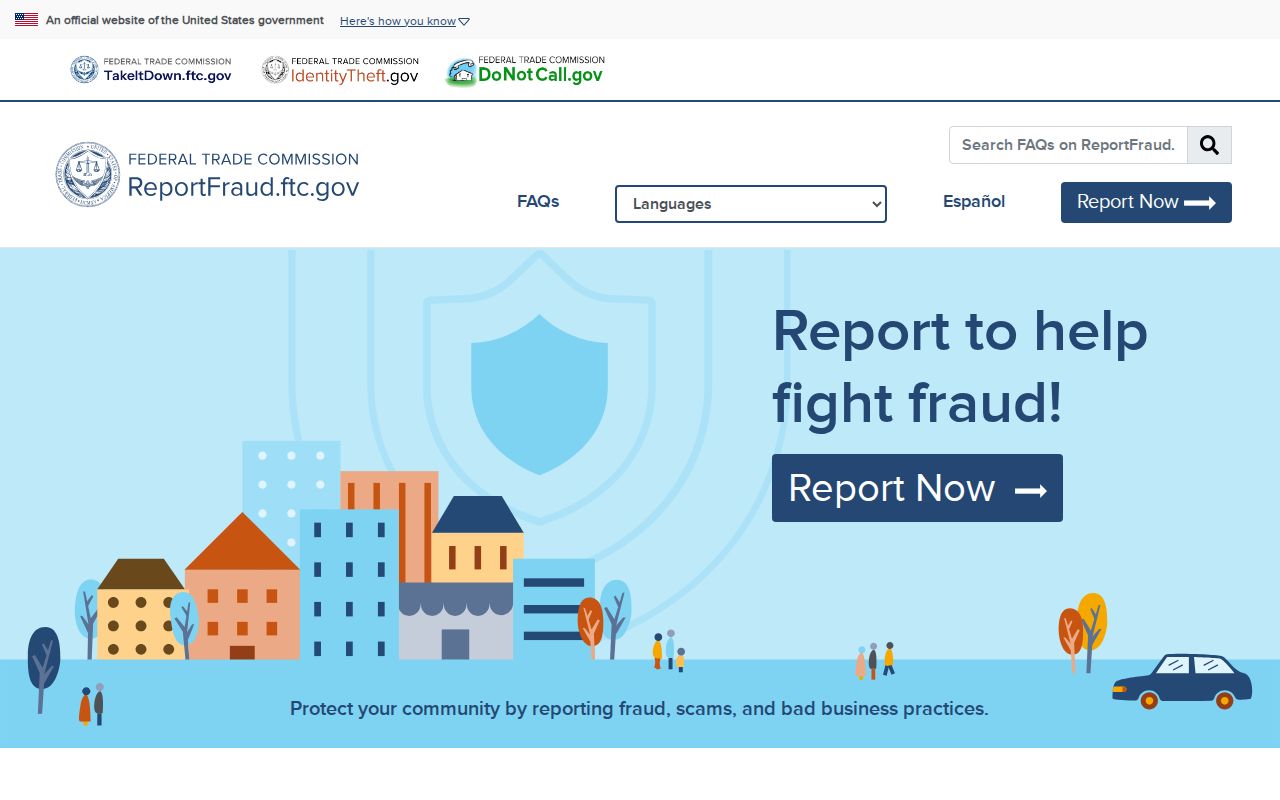
The report route records a complaint; it does not replace a correction request to the agency that holds the source record.
Privacy boundary. Use neighbor records for civic awareness, property history, family research, or reconnecting. Do not use address clues to stalk, harass, threaten, or intimidate anyone. A public record is not permission to pursue a person.